
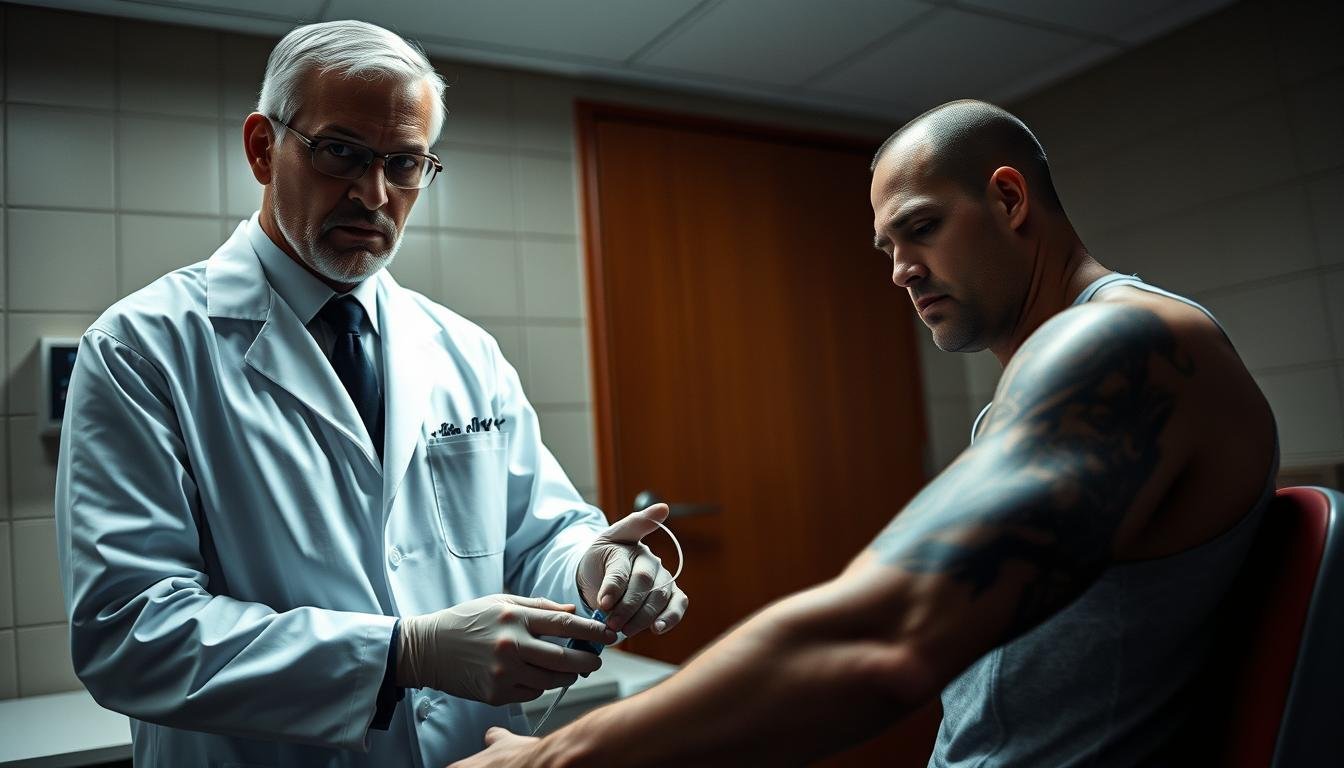
Can a Felon Be a Phlebotomist? Are you thinking about a phlebotomy career but worried about your past? Having a felony record can make it hard to find a job. But, there are career options for felons that might be easier than you think.
Starting a career in phlebotomy means knowing what it takes, especially with a felony record. This article will help you understand the process. We’ll look at the chances of becoming a felon phlebotomist and what it means.
You’ll find out about the training and certification needed. We’ll also talk about the challenges you might face in your job search. By the end, you’ll know if a phlebotomy career is right for you.
Contents
- 1 Understanding Phlebotomy as a Career Path
- 2 Legal Barriers for Felons in Healthcare
- 3 Can a Felon Be a Phlebotomist? The Legal Reality
- 4 Background Checks in the Phlebotomy Field
- 5 Factors That Affect Your Eligibility
- 6 Steps to Pursue Phlebotomy with a Felony Record
- 7 Alternative Healthcare Careers for Felons
- 8 Resources for Felons Seeking Healthcare Careers
- 9 Preparing for the Job Search and Interview Process
- 10 Conclusion: Can a Felon Be a Phlebotomist?
- 11 FAQ
- 11.1 Can I become a phlebotomist with a felony record?
- 11.2 What kind of background checks are required for phlebotomy positions?
- 11.3 How do hospitals and clinical laboratories handle applications from individuals with felony records?
- 11.4 Are there alternative healthcare careers available for individuals with felony records?
- 11.5 What resources are available to support individuals with felony records seeking healthcare careers?
- 11.6 How can I increase my chances of becoming a phlebotomist with a felony record?
- 11.7 What factors affect my eligibility to become a phlebotomist with a felony record?
Understanding Phlebotomy as a Career Path
Phlebotomy is a stable and growing field in healthcare. As a phlebotomist, you collect blood samples for lab tests. This helps doctors diagnose and treat patients.
To start, you need phlebotomy training. This is usually at a vocational school or community college. You’ll learn about blood collection, talking to patients, and medical terms. [Can a Felon Be a Phlebotomist?]
After training, you must get phlebotomy certification. This is needed to work in most healthcare places. You can get certified through groups like the American Society for Clinical Pathology (ASCP) or the National Phlebotomy Association (NPA).
The job outlook for phlebotomists is good. The Bureau of Labor Statistics says there will be a 10% increase in jobs from 2020 to 2030. This is because more people need medical tests as they get older.
Phlebotomists work in hospitals, clinics, and labs. With time, you can move up to supervisory roles or specialize in certain areas of phlebotomy.
Legal Barriers for Felons in Healthcare
Getting into healthcare can be tough for those with a felony record. Legal hurdles can block your path to a healthcare job. [Can a Felon Be a Phlebotomist?]
Background checks are a big issue in healthcare. They’re needed to keep patients safe. But, a felony record can make it hard to pass these checks.
- Federal and state laws about hiring felons in healthcare.
- Certification rules for healthcare jobs, which might not allow felons.
- Background check rules that change by state and employer.
These laws can narrow your healthcare career choices. But, knowing these obstacles is the first step to getting past them. You might find jobs in healthcare that are more open to felons or get legal advice to understand your rights.
Some states let felons get certified after a while or after they finish certain programs. Knowing about these chances can help you deal with legal issues better.
Can a Felon Be a Phlebotomist? The Legal Reality
For those with felony convictions, starting a career in phlebotomy is a complex journey. It’s shaped by hospital rules and lab regulations.
Hospital policies are key in deciding if a felon can be a phlebotomist. Each hospital has its own rules for hiring people with felonies. They might check your background, the type of crime, and how long ago it happened.
When you apply for phlebotomy jobs, knowing these policies is crucial. Be ready to talk about your felony during the application or interview. Being honest is important, as hiding a felony can get you disqualified right away.
Clinical Laboratory Regulations
Clinical lab rules also affect felons wanting to be phlebotomists. These rules change by state and are based on federal laws. For example, the Clinical Laboratory Improvement Amendments (CLIA) set standards for lab tests and who can do them.
To be a phlebotomist, you need a certification and meet certain education standards. A felony might make getting certified harder or finding a job in a lab more challenging. [Can a Felon Be a Phlebotomist?]
It’s important to understand these rules and how they apply to you. Look into the specific requirements in your state. Be ready to talk about your felony during the certification or hiring process.
Background Checks in the Phlebotomy Field
When you’re thinking about becoming a phlebotomist, knowing about background checks is key. These checks are a big part of getting hired in healthcare. They’re especially important for jobs that involve direct patient care and handling sensitive info.
Phlebotomists deal directly with patients, so they face strict background checks. These checks aim to make sure healthcare workers don’t risk patient safety. You’ll likely need to pass criminal history checks, employment verification, and registry checks.

Having a felony record can really hurt your chances of passing these checks. Healthcare places have strict rules about hiring people with felonies. They need to follow laws and keep patients safe.
Remember, the rules for background checks can change by state and employer. Some places have tougher rules than others. And some employers might ask for more checks than the law requires.
To boost your chances of clearing the background check, be open about your past. You might need to tell about any felony convictions during your application. Knowing what to expect and being ready can help a lot on your path to becoming a certified phlebotomist.
Factors That Affect Your Eligibility
Becoming a phlebotomist with a felony record requires knowing what affects your eligibility. The type of felony conviction is key. Some felonies are seen as more serious than others by licensing boards and employers.
For example, crimes that show a lack of moral character or are related to healthcare can be harder to overcome. [Can a Felon Be a Phlebotomist?]
Another important factor is the time elapsed since your conviction. States and employers often look at how long it’s been since your crime. The longer it’s been, the better your chances of getting into phlebotomy training and finding a job.

Your efforts to rehabilitate also matter a lot. Showing you’ve done rehabilitation programs, community service, or further education can help. It shows you’re serious about changing your life and being a good citizen.
Here are some key factors that can affect your eligibility:
- The nature and severity of your felony conviction
- The time that has passed since your conviction
- Any rehabilitation or educational efforts you’ve undertaken
Knowing these factors can help you move forward in becoming a phlebotomist with a felony record. It’s about showing you’re capable and ready for a career in healthcare.
Steps to Pursue Phlebotomy with a Felony Record
Getting a job in phlebotomy with a felony record is tough, but doable. You can reach your goal by taking the right steps and not giving up on your job search. [Can a Felon Be a Phlebotomist?]
First, look for a phlebotomy training program that accepts felons. Not all programs are the same, so it’s important to research and contact several.
- Find programs approved by the National Accrediting Agency for Clinical Laboratory Sciences (NAACLS).
- Check if the program has specific rules for applicants with felony convictions.
- Be ready to share details about your record and discuss it during the application.
Once you finish your training, get certified. Getting certified can really help your job search. Think about getting certified from the American Society for Clinical Pathology (ASCP).
When you’re ready to look for jobs, try these strategies:
| Strategy | Description |
|---|---|
| Networking | Go to job fairs and networking events to meet employers. |
| Tailor Your Resume | Make sure to highlight your phlebotomy training and certification. |
| Be Honest | Be open about your felony record when applying for jobs. |
By following these steps and staying proactive, you can boost your chances of becoming a phlebotomist with a felony record. Looking into career options for felons in healthcare can be very rewarding, and phlebotomy is a good choice.
Alternative Healthcare Careers for Felons
If you’re looking for a fresh start in healthcare but are concerned about your felony record, there are still numerous career paths you can explore. While becoming a phlebotomist might be challenging, other roles in the healthcare sector may be more accessible. [Can a Felon Be a Phlebotomist?]
One viable option is to work as a healthcare administrator or manager. This role involves overseeing the operations of healthcare facilities, managing staff, and ensuring compliance with regulations. Typically, a bachelor’s degree in healthcare administration or a related field is required.
Another career path is becoming a medical assistant. Medical assistants work alongside healthcare professionals, performing tasks such as taking vital signs, preparing patients for exams, and handling administrative duties. Most medical assistants have a postsecondary certificate or diploma.
You might also consider a career as a dental assistant. Dental assistants support dentists and hygienists with patient care, radiography, and administrative tasks. While formal education is not always required, having a certificate or diploma from a dental assisting program can be advantageous.
Other alternative healthcare careers include:
- Medical billing and coding specialists, who process patient data and insurance claims.
- Health educators, who teach patients about healthy behaviors and disease management.
- Community health workers, who connect patients with community resources and support services.
These roles often require specific training or certification, but they can provide a fulfilling career path for individuals with felony records. It’s essential to research the specific requirements for each career and understand how your felony record might impact your eligibility.
By exploring these alternative healthcare careers, you can find a role that aligns with your skills, interests, and background. This can help you build a successful and rewarding career in the healthcare industry.
Resources for Felons Seeking Healthcare Careers
Starting a healthcare career after a felony can be tough. But, many resources are here to help. You can find organizations, training, and job search tips made for people with felony records.
Many groups offer career help and job training for felons. For example, the National Career Development Association has resources for career growth. Also, local workforce offices have programs for those with felonies to get back to work.
For healthcare careers, special training is key. The Health Profession Opportunity Grants (HPOG) initiative offers training and support. They help with certification and finding jobs.
| Resource | Description | Benefit |
|---|---|---|
| National Career Development Association | Career counseling and development resources | Guidance on career paths and resume building |
| Health Profession Opportunity Grants (HPOG) | Training programs for healthcare careers | Certification preparation and job placement assistance |
| Local Workforce Development Offices | Workforce re-entry programs for felons | Job training and employment services |
Using these resources can help you get past barriers to a healthcare career with a felony. It’s important to research and contact these groups to see how they can help. [Can a Felon Be a Phlebotomist?]
Preparing for the Job Search and Interview Process
Getting ready for a career as a phlebotomist is more than just training. It’s about a smart job search and getting ready for interviews. Start by making a strong resume that shows your phlebotomy certification, training, and any experience you have.
When making your resume, remember to include these important points:
- Clearly state your phlebotomy certification and any relevant training.
- Highlight any healthcare experience, even if it’s not directly related to phlebotomy.
- Include soft skills such as communication and organizational abilities.
Getting ready for interviews is just as crucial. Be ready to talk about your training, experience, and how you handle tough situations. Practice answering common interview questions. Also, be ready to talk about any gaps in your employment history or your felony record. Honesty and positivity are key when discussing your past.
When looking for jobs, think about applying to places that hire people with felony records. Some places have programs to help people get a second chance. Networking is also important. Go to job fairs and join professional groups to meet potential employers.
By focusing on a strong resume, good interview prep, and a smart job search, you can boost your chances of getting a phlebotomist job. Remember, your felony record isn’t a barrier if you show you’re a skilled and committed professional.
Conclusion: Can a Felon Be a Phlebotomist?
You now know the challenges of becoming a phlebotomist with a felony record. Legal hurdles and background checks are tough, but not impossible to overcome. By understanding these barriers and taking steps to address them, you can still pursue a career in phlebotomy. [Can a Felon Be a Phlebotomist?]
There are resources to help you achieve your career dreams, like training programs and organizations for those with felony records. If phlebotomy seems too hard, consider other healthcare jobs.
Getting ready for job hunting and interviews is key. Show off your skills, education, and any relevant experience. With hard work and the right plan, you can succeed in phlebotomy or other healthcare fields.
Looking into career options for felons takes determination and the right advice. Use the resources available and learn about phlebotomy career requirements. This way, you can reach your professional goals.
See Also: Businesses That Hire Felons: Industries Most Likely to Hire You
FAQ
Can I become a phlebotomist with a felony record?
Having a felony record can make things harder, but it’s not a total block. You can still aim for a phlebotomy career. You’ll need to know the laws in your area and be ready to talk about your record when applying.
What kind of background checks are required for phlebotomy positions?
Phlebotomy jobs usually need a background check. This might look at your criminal past, check your ID, and search databases. The exact checks can depend on the employer, state, or local rules.
How do hospitals and clinical laboratories handle applications from individuals with felony records?
Hospitals and labs have different rules for felony records. Some might not hire people with certain felonies. Others might look at each case, considering the crime, how long ago it was, and any efforts to change.
Are there alternative healthcare careers available for individuals with felony records?
Yes, there are healthcare jobs that might be easier to get with a felony record. Jobs like medical assistants, administrators, or health educators might be options. The training needed can vary.
What resources are available to support individuals with felony records seeking healthcare careers?
There are groups, training, and job search tips for those with felony records. These resources can help with applying, making a resume, and preparing for interviews. They aim to help you overcome your record’s challenges.
How can I increase my chances of becoming a phlebotomist with a felony record?
To boost your chances, look for phlebotomy programs that accept felons. Be ready to talk about your record and any positive changes you’ve made. Knowing the healthcare laws for felons can also help.
What factors affect my eligibility to become a phlebotomist with a felony record?
Your eligibility depends on the felony type, how long ago it was, and any efforts to change. The laws in your area also play a big role. [Can a Felon Be a Phlebotomist?]

Van Maldonado, born in California, holds a degree in Criminology and Police Science. Currently serving as an investigative officer at a local police station, he spends his leisure time writing insightful content for FelonScope.com.